By the time most couples get round to booking wedding transport, everything else is decided. The venue is signed, the guest list is roughly settled, and somebody has strong opinions about flowers. Transport gets left until last, which is a shame, because it shapes the twenty minutes your guests will remember most: the arrival.
A lorry, a limousine and a vintage car do three quite different jobs. Here is how they compare on space, style, cost and the small practical details that decide whether the morning runs smoothly.
The three contenders, briefly
- Wedding lorry. A restored commercial vehicle — a vintage flatbed, a box lorry, or a horsebox converted with a bar. Flatbeds get dressed with flowers, ribbons and a bench, and often double as a photo backdrop or drinks station at the reception.
- Limousine. A stretched saloon or SUV, enclosed and climate-controlled, usually seating eight to ten at a squeeze. Predictable and easy to book.
- Vintage car. A classic saloon or coupé, usually two to four passengers, often driven by the owner who restored it. Beautiful, small, and slower than you expect.
The right answer depends less on which one photographs best and more on who actually needs to be inside it.
Capacity decides more weddings than style does
Start by listing everyone who has to travel: the couple, bridesmaids, parents, the photographer, the rings, and the overnight bag nobody remembered. Then match the list to the vehicle.
Limousine seating figures are optimistic. Eight seats means eight adults with no bouquets, no garment bags and no cool box. Add dresses and a camera bag and six is a comfortable number. Ask the operator for a photo of the interior rather than trusting the spec sheet.
A vintage car usually takes three in the back and one in the front, and those back seats were designed for people wearing hats, not tulle. Two in comfort is realistic. Four is a squeeze, and someone ends up holding the train on their lap.
This is where a lorry wins outright. A flatbed can hold an entire bridal party for photographs, and a covered or properly seated section can carry passengers in comfort. If you have six bridesmaids, two flower girls and a dog, very little else comes close.
One check worth making early: in most places you cannot legally carry passengers sitting or standing on an open flatbed while it is moving on a public road. In practice the lorry is often the arrival set piece and the reception bar, while guests travel in cars or a minibus. Ask the operator exactly what they are licensed and insured to do, and do not promise guests a ride until you have that in writing.
Style, and what the photographs look like
A lorry is warm, generous and a little bit festival. It suits barns, farms, breweries, tipis and long country lanes, and it gives guests somewhere to lean and gather. Wide shots look wonderful. But an undecorated flatbed reads as a working vehicle, so budget for ribbons, wildflowers, a bench and a chalkboard sign. Bare wood needs help.
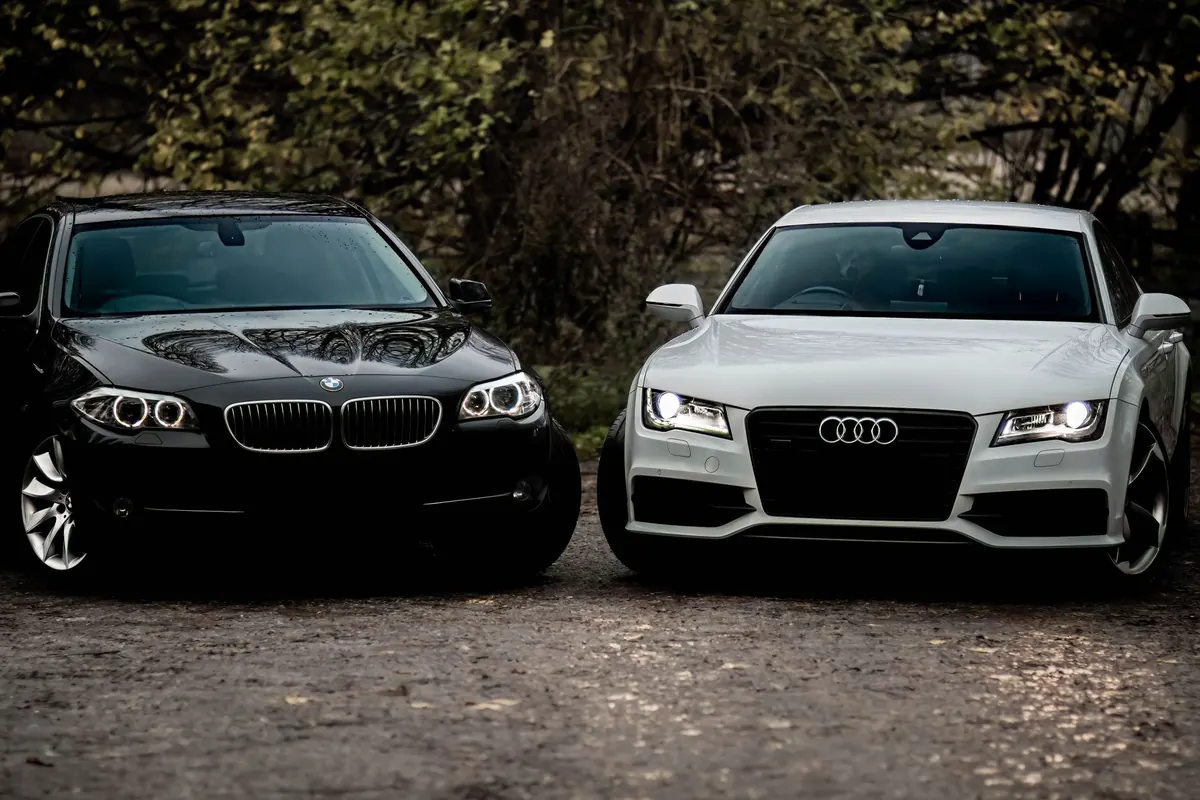
A limousine is glossy and formal, and it sets the tone in a way a smaller car cannot: black for black tie, white for a classic summer wedding, something slightly retro for a city hotel. It looks best in motion and on main roads.
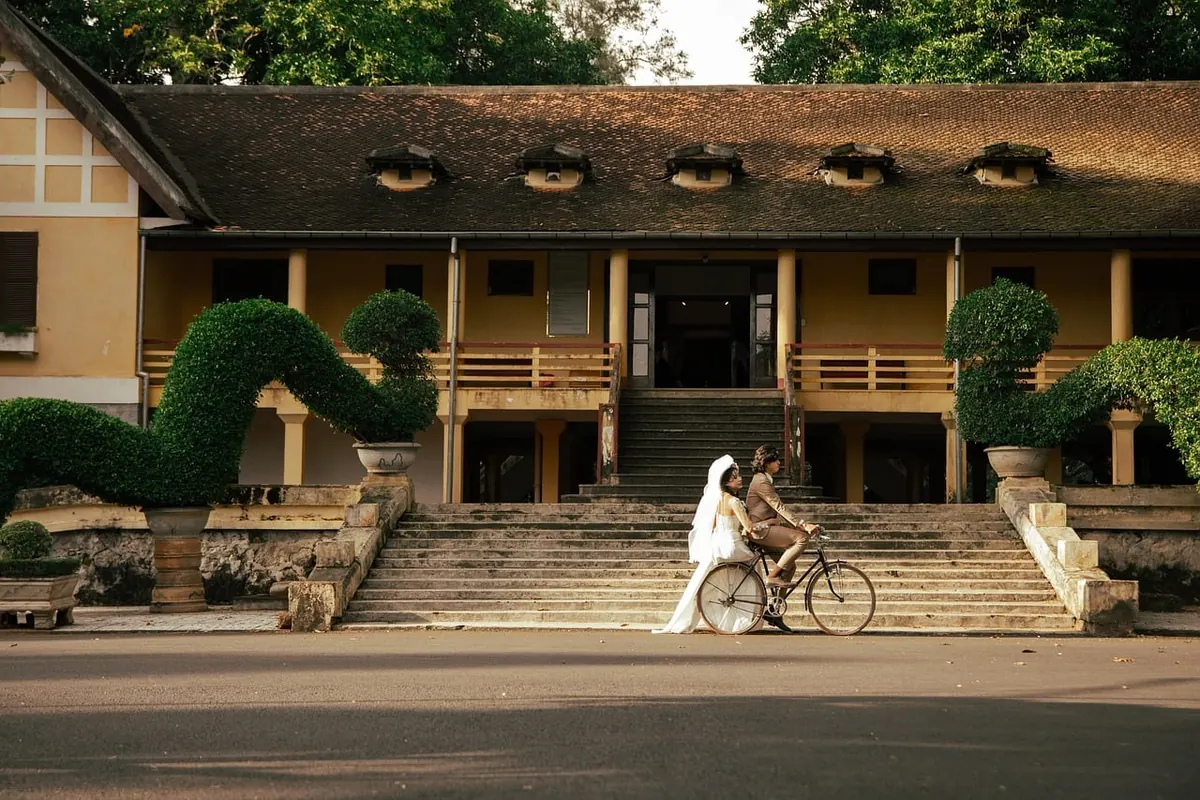
A vintage car is the quietest of the three. It puts the couple in the frame rather than the vehicle, which is exactly what some people want: a door opening, a hand out, confetti, and a car that disappears politely from the shot afterwards.
How the cost actually works
Each option tends to be billed differently, which makes comparing quotes harder than it should be.
- Limousines usually charge by the hour with a minimum booking, often three or four hours, plus travel time from the depot.
- Vintage cars are often priced per journey, per half day or per day, because many owners do one wedding a weekend as a hobby rather than a business. That can make them excellent value for a single church-to-venue trip, but you may pay extra for multiple stops or waiting time.
- Lorries can be the wildcard. Some are hired as static props with a driver to move them once, others as a full bar or photo booth with staff. A decorated flatbed may cost less than a limo for the same hours, but you might need to add insurance, a generator, furniture and a clean-up fee.
Ask every supplier for a written quote that separates the vehicle, the driver, travel, waiting time and any late-night surcharge. A cheap quote that ends at 10pm is not cheap if your reception runs until midnight.
Timing, logistics and the bits that go wrong
The vehicle you choose has to survive the actual roads, not just the Pinterest board. A stretched limousine is wonderful on a dual carriageway and miserable on a single-track lane with a cattle grid. A vintage car can overheat in slow city traffic or struggle up a steep hill with four adults aboard. A lorry needs space to turn, a firm surface and a driver who knows the venue's service entrance.
Do a dry run if you can. Time the journey at the same hour on the same day of the week, and add twenty minutes for photographs, traffic and the inevitable dash back for the rings. Check where each vehicle will park, how guests will get from the ceremony to the reception, and who is responsible for moving flowers and gifts between the two.
Accessibility matters too. Limousines are usually the easiest to step into, vintage cars sit low and require a bit of folding, and lorries can be high enough to need a step stool. If grandparents, small children or anyone with limited mobility are travelling, mention it before you book and ask for a practice sit.
Weather, season and backup plans
An open flatbed is magical in July and brutal in a British drizzle. If the forecast is uncertain, ask whether the lorry has a covered section, whether the driver can put the roof up quickly, and whether the bench cushions can be swapped for something waterproof. Have umbrellas and a towel in the cab, and brief the photographer on where everyone will stand if the rain arrives early.
Limousines cope well with bad weather because everyone is already inside, but they can fog up and the air conditioning can be fierce. Vintage cars often have no air conditioning, minimal heating and wipers that were designed for a gentler era. In winter, check that the heater works and that the car has been used recently; a classic that has been sitting in a garage for three months may not thank you for a cold start.
Whatever you choose, agree a plan B with the supplier. Can they switch to a covered vehicle? Can the lorry be moved under a canopy? Can the vintage car drop you at the door rather than the end of the drive? A five-minute conversation now saves a very wet twenty minutes later.
Questions to ask before you book
- How many passengers can travel comfortably, not just legally?
- Is the driver insured to carry passengers, and what exactly does the policy cover?
- What happens if the vehicle breaks down on the day?
- Is there a backup vehicle, and how quickly can it arrive?
- What is the cancellation policy, and what deposit is required?
- Does the quote include travel time, waiting time, decorations and clean-up?
- Can we see the vehicle in person before we pay a deposit?
- Who decorates it, and when can we access it on the morning?
Get the answers in writing. A supplier who is vague about insurance or backup plans is not the one you want holding the keys on your wedding day.
How to decide in one sentence
Choose the lorry if the arrival is the party, the limousine if the journey is the party, and the vintage car if the two of you are the party.
Then check the guest list, the route and the weather forecast. The best wedding transport is not the one that looks best in isolation; it is the one that gets the right people to the right place on time, with the least amount of stress and the most amount of joy.
Photo: Zenith / Pexels