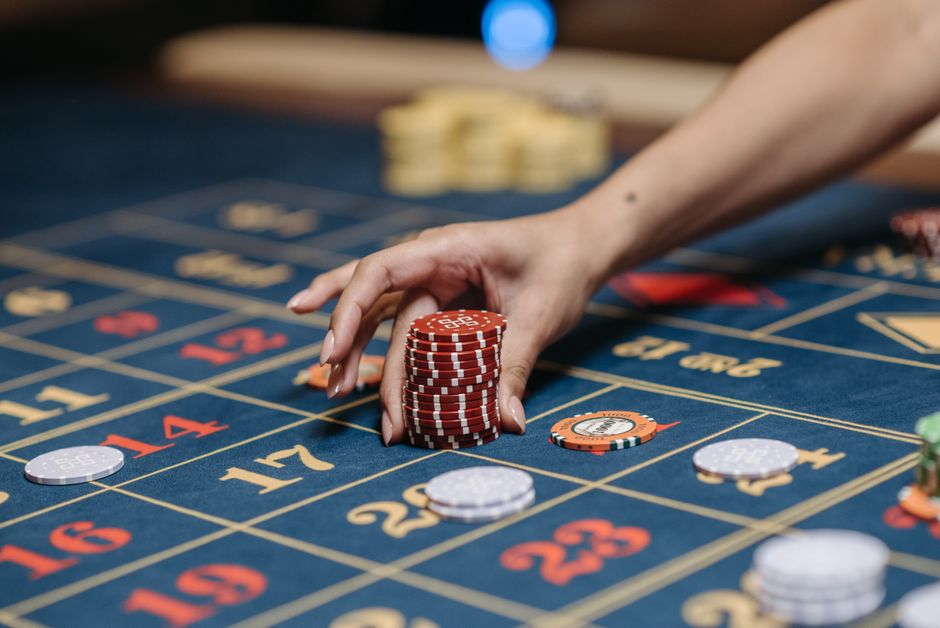
Ask ten gamblers what separates a winning session from a losing one and you'll get ten different answers. Some will swear by a "hot" slot machine, others will tell you poker is pure math, and a few will insist the whole thing is rigged. The truth is messier and far more interesting: every iGaming product sits somewhere on a spectrum between luck and skill, and knowing exactly where a game falls changes how you should approach it, bankroll it, and judge your own results.
Let's break down that spectrum game by game, because treating a slot machine like a chess match (or a poker table like a lottery ticket) is one of the most expensive mistakes a player can make.
Slots: The Purest Form of Variance
Modern video slots are essentially random number generators dressed in fireworks and soundtrack. Every spin is independent of the last one. That "near miss" where two scatters landed and the third stopped one reel short? It carries zero predictive information about your next spin. The machine doesn't remember, and it doesn't care.
What you can control is which machine you sit at. Two numbers matter more than any other: There is a useful overview at L'Avenue Dubai.
- RTP (Return to Player): The long-term percentage of wagered money paid back to players. A 96% RTP slot returns $96 for every $100 wagered across millions of spins; a 94% slot returns $94. That two-point gap is huge over time.
- Volatility: Low-volatility slots pay small amounts frequently, stretching a bankroll. High-volatility slots like Book of Dead or Money Train can go 200 spins without a meaningful win, then deliver a 5,000x bonus round.
A concrete example: a player with a $100 bankroll spinning $1 per spin on a 94% RTP slot has an expected loss of about $6 per 100 spins. On a 96.5% slot, that drops to roughly $3.50. Neither guarantees anything in a single session, but the math tilts in your favor over hundreds of sessions. Choosing high-RTP games is the only genuine "strategy" slots allow, and it's free to do.
Table Games: Where House Edge Becomes Predictable
Blackjack, roulette, baccarat and craps occupy the middle of the spectrum. You can't outsmart the wheel, but you can choose bets with dramatically different house edges. This is where lazy players lose money they never needed to risk.
Look at the spread within a single game:
- Roulette: European single-zero roulette carries a 2.7% house edge. American double-zero roulette jumps to 5.26%. Same game, nearly double the cost.
- Blackjack: Basic strategy reduces the house edge to roughly 0.5%, versus 2% or more for players who hit on 16 against a dealer's 10.
- Baccarat: The banker bet sits at about 1.06%; the tie bet is a sucker's wager at roughly 14%.
Basic blackjack strategy isn't gambling folklore. It's a mathematically solved set of decisions derived from millions of simulated hands, and memorizing a single chart can cut your expected losses by 75%. That's not luck. That's preparation.
Poker: The Only Game Where You Beat Other Players
Poker is genuinely different, and it's worth understanding why. In slots and roulette, you play against the house. In poker, the house takes a rake and you play against everyone else at the table. That single structural fact turns poker into a skill game with a luck component, rather than the reverse.
Over 100 hands, a terrible player can win. Over 100,000 hands, the better player almost certainly will. This is why professional poker exists and professional slots play does not. Key skill edges include:
- Hand selection: Folding 70% of starting hands preflop in No-Limit Hold'em is standard for a reason.
- Position awareness: Acting last gives you information every opponent at the table lacks.
- Pot odds and equity: Calling a $50 bet into a $200 pot needs roughly 20% equity to break even, and good players calculate this instinctively.
- Opponent reading: Bet-sizing tells, timing patterns and history with specific players all convert into measurable profit.
The variance in poker is brutal in the short term. A 60% favorite loses 40% of the time. But unlike slots, your decisions compound. Fixing a single leak (say, calling too many raises with weak aces) can add several big blinds per hour to your win rate.
The Psychological Trap: Confusing the Two
The most damaging habit in iGaming is treating a luck-based game like a skill-based one. Slot players who believe they've "figured out" a machine's rhythm will chase losses far longer than they should. Poker players who blame bad beats entirely on luck never review their own mistakes.
Here's a quick diagnostic for any game you play:
- Can you name a decision that demonstrably improves your expected outcome? If yes, it's a skill element.
- Does past performance influence future results? In slots, no. In poker against the same opponents, absolutely yes.
- Could you write down a strategy and hand it to a beginner? If the strategy is real (like basic blackjack), the game rewards knowledge.
Applying skill-thinking to slots leads to overconfidence, bigger bets and longer sessions. Applying luck-thinking to poker leads to ignoring strategy and bleeding money at the table.
Practical Takeaways for Every Player
Whatever you play, a few rules hold across the board:
- Bankroll first, bets second. Never bet more than 1-2% of your total bankroll on a single spin or hand if you want to survive variance.
- Know the house edge before you sit down. RTP and edge figures are published for virtually every regulated game. Use them.
- Specialize. A player who studies one poker variant or masters one table game will outperform someone dabbling in six.
- Track your results honestly. Software or a simple spreadsheet reveals whether your "skill" is real or just a hot streak.
Final Thought
The iGaming world sells fantasy, but the players who last are the ones who respect its mechanics. Slots are entertainment with a known cost per hour. Table games reward you for learning their math. Poker rewards you for outthinking opponents. None of these are ways to reliably beat the system, and anyone promising otherwise is selling something. But understanding where luck ends and skill begins means you play with open eyes, lose less than the person beside you, and walk away when the math says you should. That's not a secret strategy. It's just the truth most players never bother to learn.